

 Tiếng Việt
 Japanese
 Chinese
 Korean
ACAC and Vinalogistic Sign Green Transition Advisory Contract
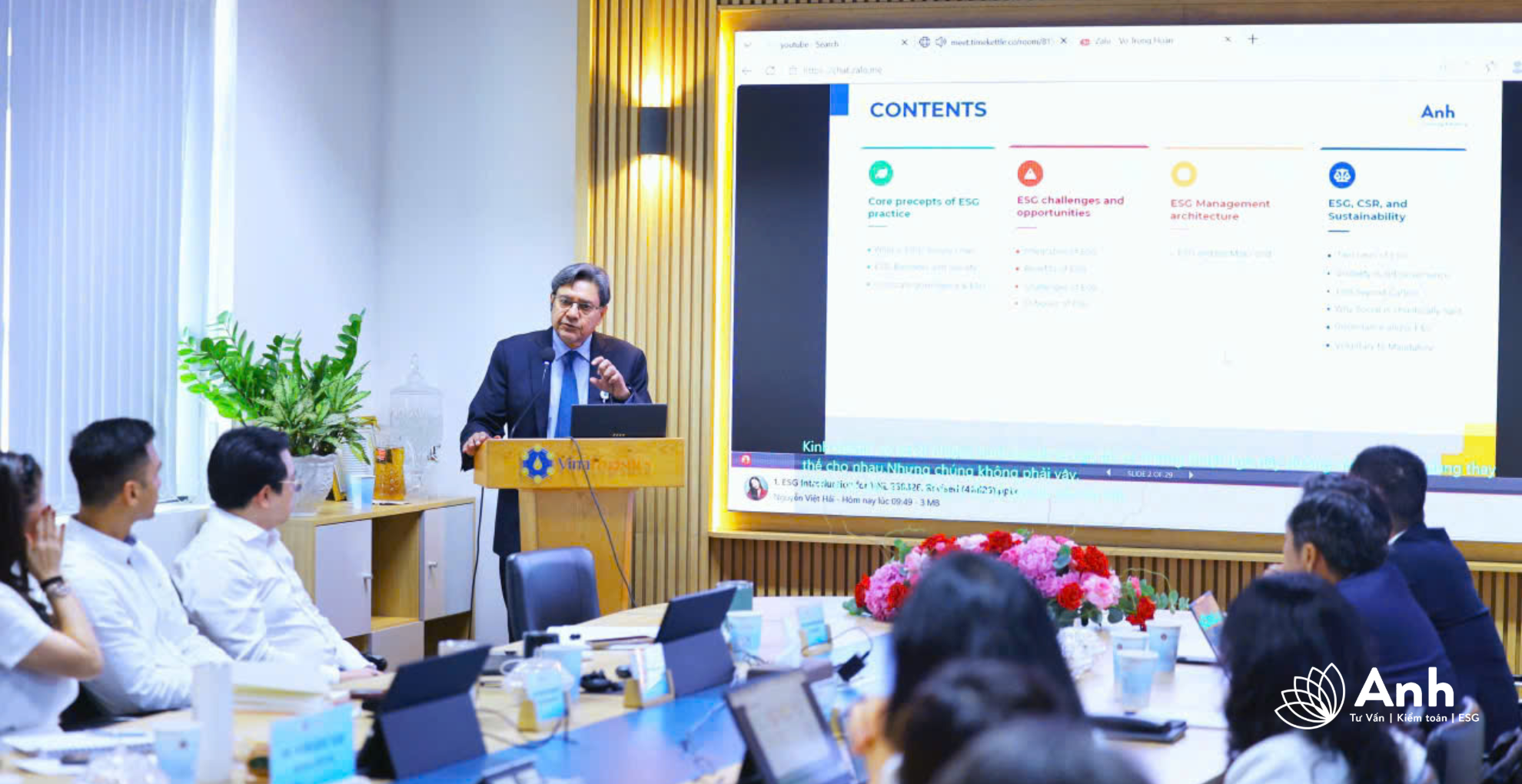
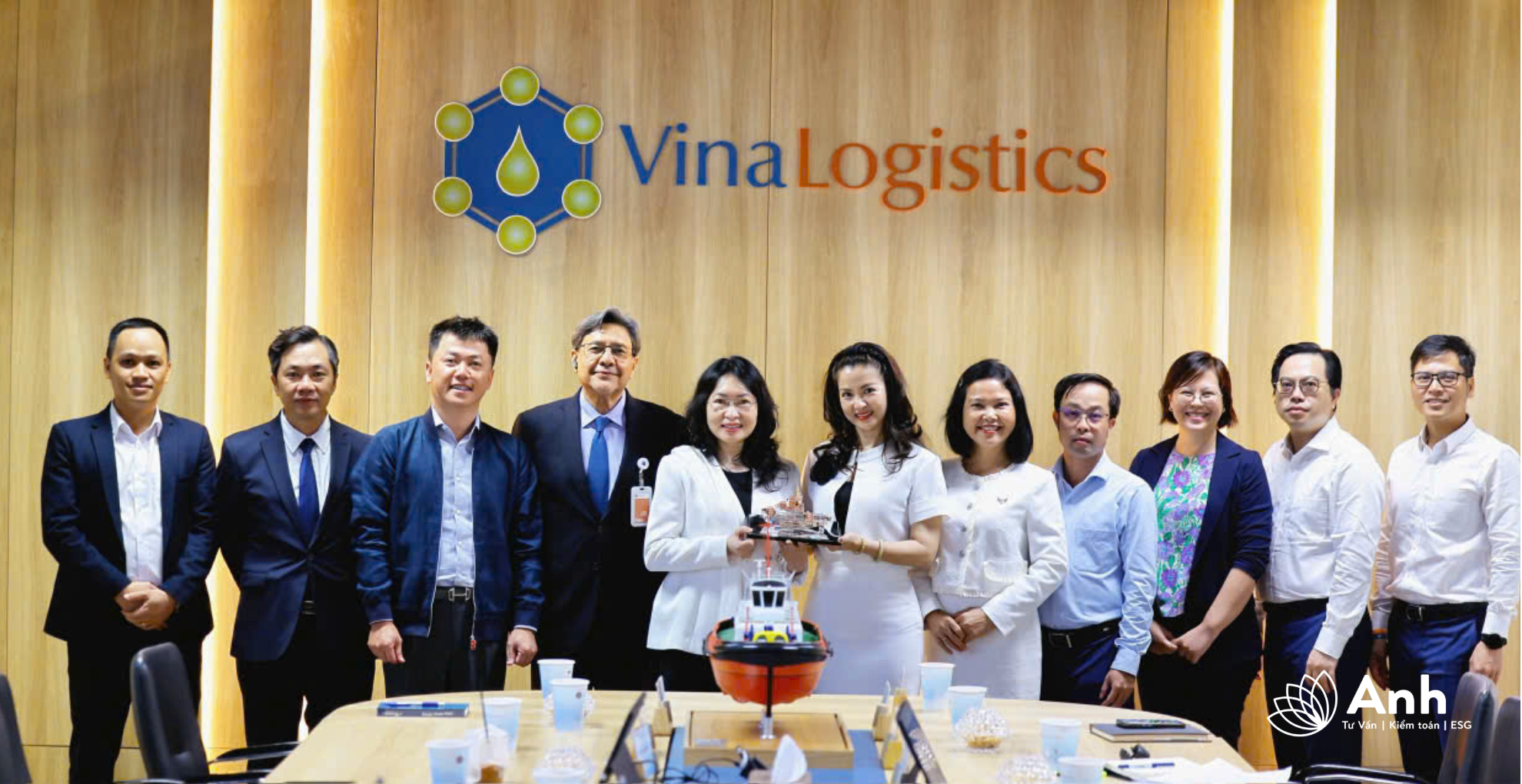
Anh Consulting and Auditing Co., Ltd. (ACAC) recently held a contract signing and project kick-off ceremony for a green transition advisory engagement with Vinalogistic Joint Stock Company, attended by the leadership of both organizations along with representatives from relevant departments. This is one of the key green transition projects ACAC is undertaking in the logistics sector, focused on building ESG governance capacity and shaping a long-term sustainable development strategy for the enterprise. The article below reports on the proceedings of the ceremony, examines the context driving green transition in the logistics industry, and offers practical recommendations for businesses considering a similar path forward.

At the ceremony, ACAC’s representative, on behalf of the advisory team, thanked Vinalogistic’s leadership for their trust in choosing ACAC as a partner on this green transition journey, affirming that the signing marks the beginning of a long-term collaborative relationship between the two organizations.
Speaking at the signing ceremony, ACAC’s representative shared the firm’s perspective on the current green transition trend:
“Green transition is no longer a trend or an option. It has become an essential requirement of the global economy. New environmental regulations, along with expectations from customers, investors, and international partners, are evolving rapidly.”
ACAC’s representative also emphasized that green transition is not merely about complying with legal requirements or producing an ESG report — it is a process of transforming governance mindsets, strengthening management systems, building workforce capacity, and progressively integrating Environmental, Social, and Governance factors into the enterprise’s development strategy. In this spirit, ACAC defines its role in the project not simply as an advisor, but as a partner accompanying Vinalogistic throughout the entire implementation process, committed to delivering practical solutions tailored to the company’s specific operations. The ceremony concluded with a shared expectation from both parties: that the project team will work in close, open collaboration throughout implementation, helping position Vinalogistic as a pioneer in sustainable development and green transition.
What Green Transition Means for a Logistics Enterprise
Green transition is not limited to preparing an ESG report or complying with a single environmental regulation. It is a process of restructuring governance thinking, whereby Environmental, Social, and Governance factors are directly integrated into business strategy, operational systems, and corporate culture.
For a logistics enterprise, the scope of transition typically includes: managing carbon emissions across the transportation chain, optimizing energy use at warehouses and in vehicle fleets, developing labor and safety policies aligned with international standards, and establishing risk governance and transparent reporting systems for investors, customers, and regulatory authorities.
Why Green Transition Has Become a Mandatory Requirement
Three groups of pressures are driving the pace of transformation in the logistics sector:
- Regulatory requirements: Requirements for greenhouse gas inventories, emissions reporting, and environmental management in Vietnam are being progressively formalized under a defined roadmap, creating increasingly clear compliance obligations for high-emission enterprises.
- International supply chains: Foreign customers and partners, particularly in the European market, are increasingly requiring transparency in emissions data and ESG practices as a condition of doing business – a trend clearly reflected in carbon border adjustment mechanisms and sustainable supply chain standards.
- Investor expectations: Investment funds and financial institutions are incorporating ESG criteria into their due diligence processes, directly affecting enterprises’ access to capital and valuation.
Enterprises that proactively build ESG capacity early gain a stronger negotiating position with international partners, improved access to green financing, and reduced risk of exclusion from multinational corporations’ supply chains.
Impact on the Enterprise
The collaboration between ACAC and Vinalogistic is designed as a comprehensive, hands-on partnership that extends well beyond the delivery of reports. The scope of cooperation includes advisory support in developing an ESG roadmap, reviewing and strengthening the contract management system, and providing related legal advisory input throughout the course of implementation.
At the signing ceremony, ACAC’s representative underscored the guiding philosophy of the project:
“The greatest value of an advisory project does not lie in the reports delivered, but in the governance capacity that is strengthened, the positive changes that are created, and the sustainable development the enterprise achieves after the project concludes.”
This approach reflects the true nature of effective ESG advisory work: sustainable outcomes are only achieved when an enterprise’s internal capabilities — its people, processes, and data systems — are strengthened in parallel with the completion of compliance documentation.
Recommendations for Enterprises Beginning Their Green Transition Journey
Drawing on its experience implementing ESG projects across multiple industries, ACAC recommends that enterprises consider the following roadmap:
- Conduct an ESG maturity assessment to establish a realistic starting point
- Develop a phased transition roadmap tied to specific business objectives, rather than following market trends
- Review and standardize the contract system and internal policies to align with ESG governance requirements
- Provide training to strengthen the workforce’s capabilities in emissions reporting and environmental and social risk management
- Establish a data collection and reporting system that is transparent and benchmarkable against international standards
- Embed ESG accountability at the highest level of governance, rather than delegating it to a single department
Conclusion
The collaboration between ACAC and Vinalogistic demonstrates the growing trend among Vietnamese logistics enterprises to proactively invest in ESG capacity in order to maintain their position within global supply chains. The core message ACAC upholds in every advisory project is this: successful green transition is not measured by the number of pages in a report, but by an enterprise’s governance capacity and its long-term ability to adapt.